
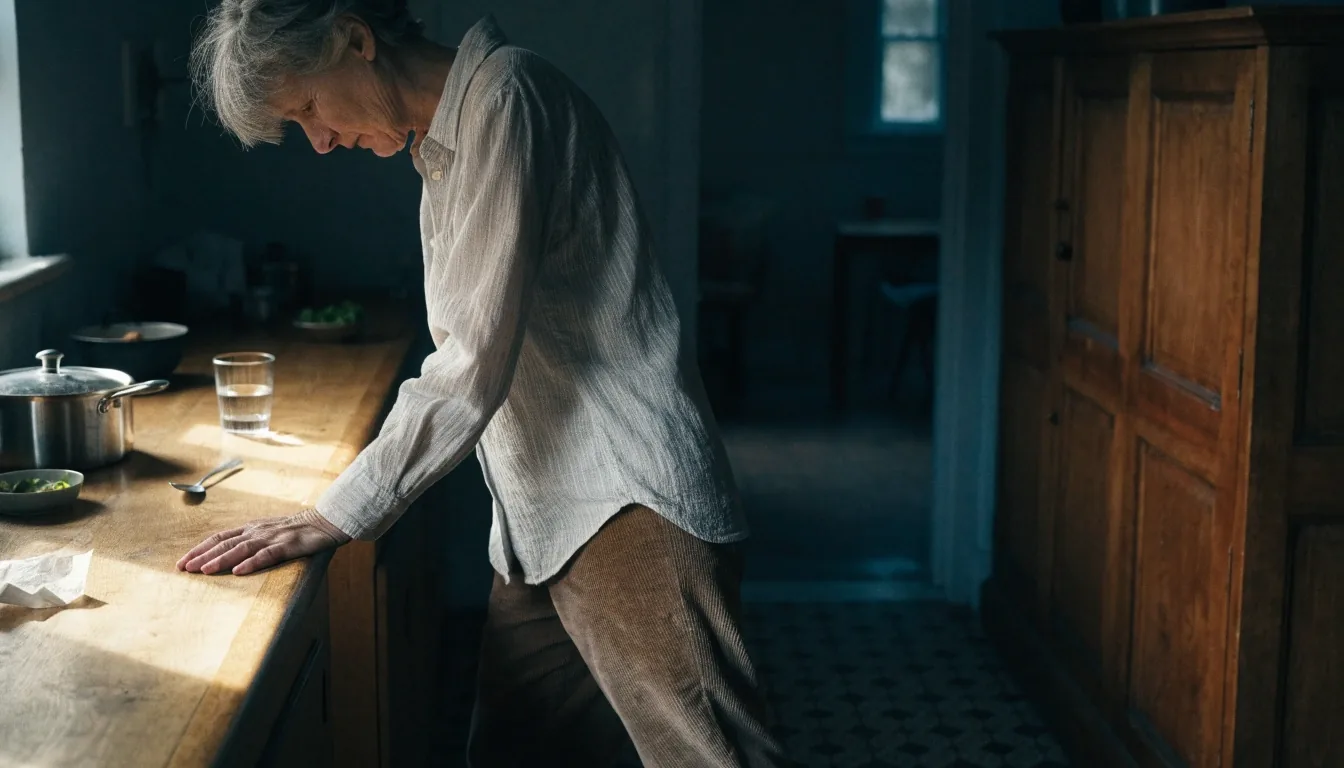
Daily mobility guide for stiffer joints
Stiffness responds better to frequency than intensity. Ten minutes most days does more for everyday comfort than one ambitious session a week, and it is far easier to keep going. Here is the short routine, the home measures, and how to pace a bad week.
Start where you are, not where you were
The most common mistake is benchmarking against a previous version of yourself. If you used to run and now find stairs hard work, starting at the running level is how a routine collapses in week two.
Begin with what you can do today without sharp pain. Two or three minutes of gentle movement counts. Walking to the end of the road counts. The first fortnight is about proving the habit is sustainable, not about progress.
Once the habit holds, add time before you add intensity. That single change makes the biggest difference to whether you are still doing this in three months.
First fortnight
Two to three minutes of easy movement, most days. Nothing that needs a change of clothes.
Weeks three to six
Same movements, a little longer. Add walking minutes before you add effort.
After that
Introduce the strength work and let the daily walk stay unremarkable.
A ten-minute morning sequence
Morning stiffness is common, and it usually eases with movement rather than rest. A short sequence before you ask much of your legs sets up the rest of the day. Keep every movement inside a comfortable range. If something is sharp rather than stiff, stop that movement and note it; discomfort that eases as you warm up is normal, pain that increases is a signal to back off.
First
Ankle circles and slow knee bends while sitting on the edge of a chair.
Then
Stand up and shift your weight side to side, slow and small at first.
Add
A few supported mini squats with both hands on the worktop for balance.
Walk
A gentle lap of the house, longer if the legs feel good that morning.
Finish
A slow stretch of the calves and the back of the thighs. Then breakfast.

Heat, ice, and knowing which you want
Warmth suits
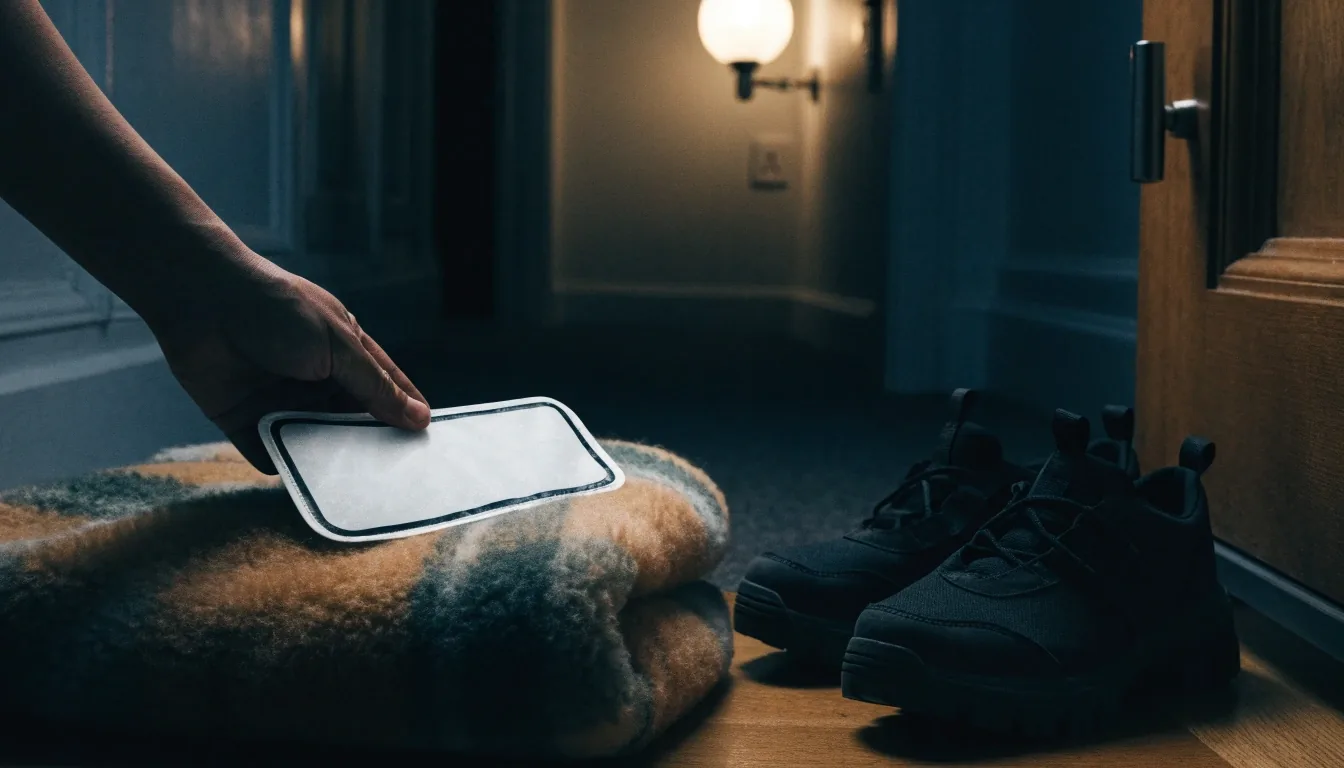
Stiffness and the tight feeling that eases as you move. A heat pad or hot water bottle, used carefully and never directly against bare skin.
Ice suits
A knee or hip that feels hot or swollen after a longer walk than usual. Short bursts only, with a cloth between the source and your skin.
Most people settle into a pattern within a couple of weeks: warmth before movement, ice after a longer than usual walk. Limit each to around fifteen to twenty minutes. Neither is a substitute for getting a problem looked at. If swelling is new, or the leg will not take your weight, that is a conversation for your GP.
Pacing: the skill nobody teaches
Set a daily ceiling rather than a daily target. On a good day, stay under it.
Pacing is the difference between doing a bit most days and doing too much then nothing. The pattern is familiar: a good day tempts you into a long walk and a garden clear-out, then two days of stiffness follow.
So decide your ceiling in advance and keep it on the good days. On a bad day, reduce it and keep the habit alive. That keeps the total volume steadier across the week and avoids the boom-and-bust cycle that undoes most routines.
It sounds unambitious. It is also the approach that people who have kept comfortable and moving for years tend to describe when you ask them what actually worked.
Footwear and the surfaces you walk on
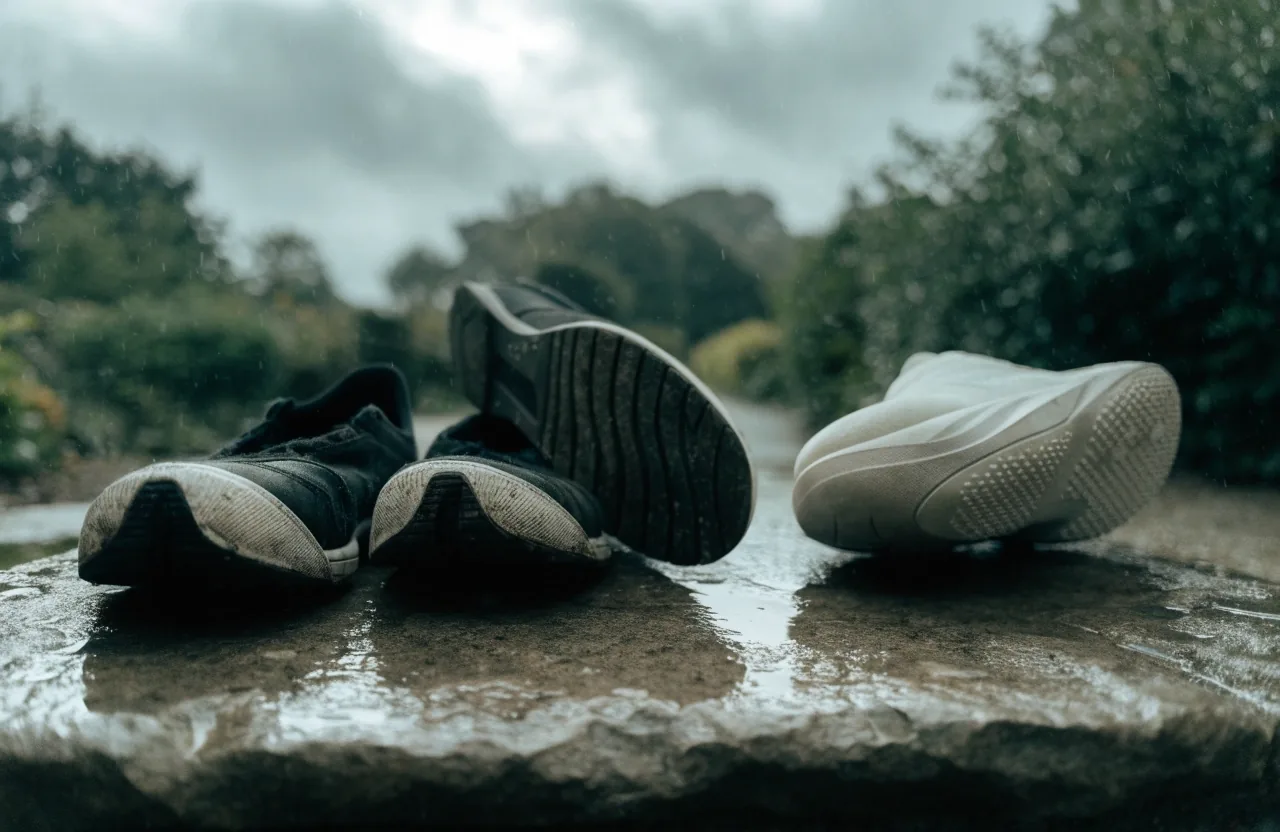
Load travels up from the ground, so what you walk in matters more than most gadgets. Cushioned shoes with a supportive heel soften the shock reaching your knees on hard pavements, which is most of what everyday UK walking involves.
Everyday pavement walking
Cushioned sole, supportive heel. Replace shoes when the midsole flattens rather than saving the old pair for the garden.
Most of your week
Long distances on flat, hard soles
Thin soles on tarmac send more of the shock upward. Fine for the corner shop, less kind over a Saturday.
Worth limiting
A softer route once or twice a week
A park path, a towpath, or a treadmill at a gentle incline gives the same walking minutes with less impact.
Easy swap
Insoles for knee discomfort
Off-the-shelf options help some people and not others. A physiotherapist or a good shoe fitter can advise rather than leaving you guessing.
Ask first
Building strength without aggravating anything
Strength around the hip and thigh takes load off the knee, but it has to be built slowly. Bodyweight work at home is enough to start, and it supports strong and healthy joints far better than any single ambitious session.
Two or three short sessions a week is the usual starting point. If a session leaves you stiffer for more than a day, drop the volume by half next time. Muscles adapt faster than joints forgive, which is why the pacing advice applies here too.
Swimming and cycling are useful alternatives when impact is the problem. Many UK leisure centres run gentle exercise sessions, and the social side genuinely helps you keep turning up.
Days when it is worse than usual
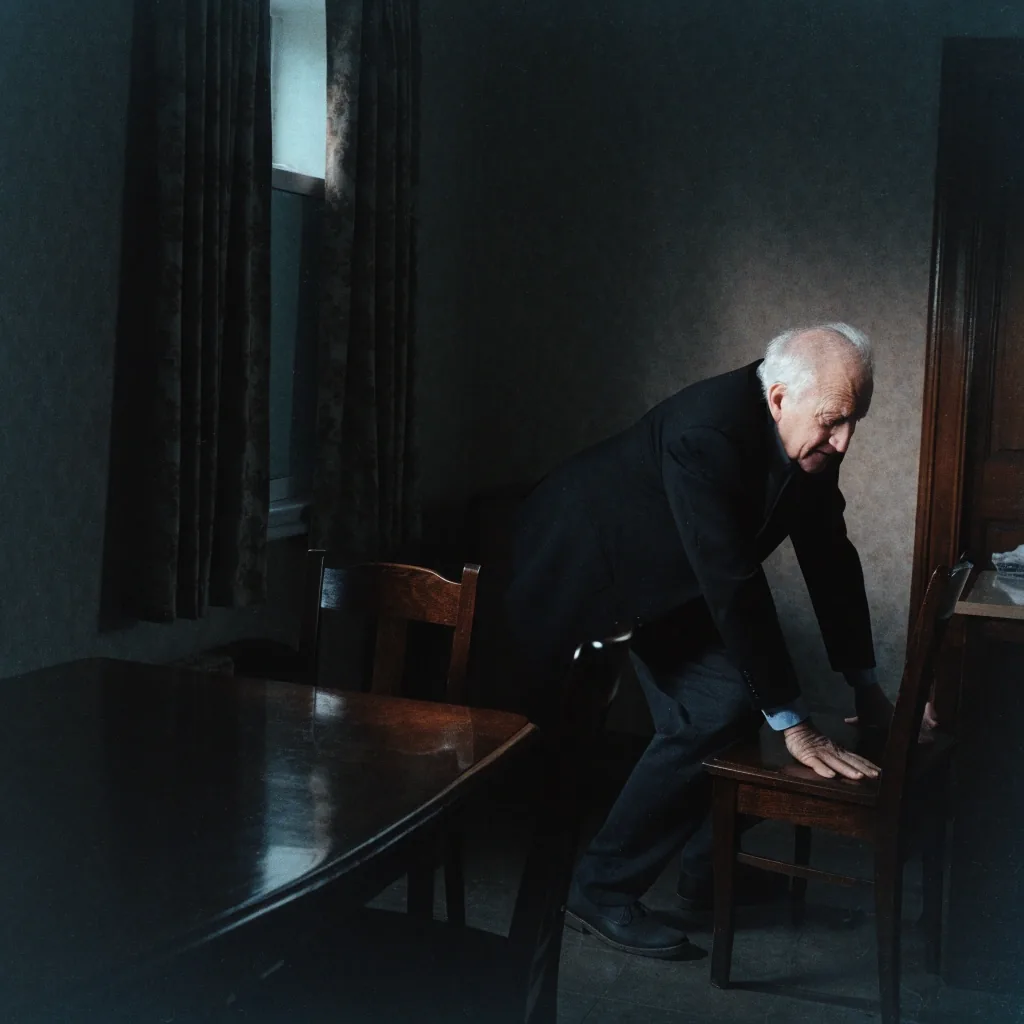
Some days are just worse, and that is normal in this territory. On those days, keep movement gentle and short: ankle and knee range work, a slow walk indoors, perhaps a warm shower before you start.
Do not keep testing the leg to see if it has improved. That pattern usually prolongs the discomfort. Keep the routine going at reduced volume and let the day pass.
If a bad spell lasts more than a couple of weeks, or if a knee is swollen, hot, or unstable, stop self-managing and get it looked at. Knowing when to hand over is part of pacing too.
Where capsules fit into all of this
Capsules are the background layer, not the main event. Take them at the same point each day, ideally attached to something in the routine above, and let them run quietly in the background for a couple of months before you judge anything.
The reason movement comes first on this page is that it is the part with the clearest return. Walking, strength work, pacing, and warmth are things you can feel working within weeks. Nutrition sits underneath that. If you want the ingredient detail, the capsule page and the ingredients page cover it honestly, including what the evidence does and does not say.
Where to continue
Questions people ask before they start
How long should the daily routine take?
Ten minutes is plenty for the movement part. Add five minutes for warmth if you use it, plus the walking you would do anyway. Anything longer tends to become a project you eventually abandon.
Should I rest completely on a bad day?
Complete rest usually makes stiffness worse. Reduce volume rather than stopping: gentle range of movement, a short indoor walk, warmth. If you cannot put weight on the leg at all, that is different and needs a professional assessment.
Is heat or ice better for knee discomfort?
It depends on the day. Warmth suits stiffness and the tight feeling that eases with movement; ice suits a knee that feels hot or swollen. UK self-management advice is to use either carefully, in short bursts, and never directly on bare skin.
Do I need any equipment?
Very little. A dining chair, a wall or worktop for support, and a heat pad or hot water bottle cover most of it. Cushioned shoes matter more than any gadget.
Get the routine into your week
Pick the ten minutes, put the heat pad somewhere you will see it, and set the walking ceiling before the week starts. If the routine raises a question of its own, send it over and we will answer it plainly — no sales pitch, just what we would do in your position.
Broombeam Joint Support · 42 Broombeam Lane, Manchester M2 4WQ · Monday to Friday, 9:00 AM – 6:00 PM